

I once walked into a gorgeous hundred-something-year-old Portland house because the owner was thinking about selling. The stucco was in beautiful shape. The house had been incredibly well cared for. She had already put big money into most of the systems. From my perspective, I was walking through thinking, This house is GREAT.
She was losing sleep.
She had only ever lived in new construction, and every little old-house thing felt like the beginning of total structural collapse. Something needed a $5,000 repair. Then she became convinced the furnace had to go. There was always another thing on the list, and in her head the house was basically preparing to fall down around her.
So we spent about an hour and a half pulling the whole thing apart.
No, the furnace did not need to be ripped out immediately. Get it serviced.
No, the house was not falling down. Keep the gutters clean.
Yes, owning a very old house means things will require attention.
Eventually I had to tell her something I wish somebody had told her before she bought it: I probably would have steered you away from this house, and into a newer one.
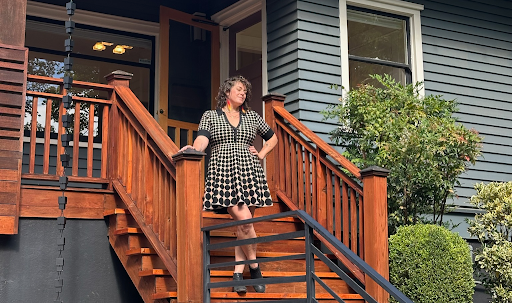
It was not a bad house. It was a BEAUTIFUL house. But she was a single homeowner with no experience owning an old property, and the responsibility of maintaining it was making her so anxious she couldn’t enjoy the damn thing.
So I talked her out of selling.
We connected her with our handywoman and came up with a plan to have her periodically walk through the house, keep an eye on things, and help her prioritize what actually needed attention instead of treating every noise like an emergency. Having a network of people I trust for exactly this kind of thing is also why I’m so protective of my Portland contractor and vendor list.
At that point, she was basically one of ours. She hadn’t even bought the house with us, but once I’m talking you off the furnace ledge and helping manage your century-old-house anxiety, congratulations: you’re forever adopted.
And THAT is the conversation I want to have when someone tells Team Goché they want an old Portland house. Because yes, I also lose my shit over untouched woodwork and leaded glass. I could sell Foursquares until my deathbed. But I want to know how handy you are, how you feel about house projects, and whether a plumber saying, “We should keep an eye on this” is going to make you schedule the repair or spiral for six months.
Those are relevant questions.
And if you want the deeply unglamorous companion piece to this one, I have already documented all the shit that has gone wrong in my own houses. I have unfortunately earned some of this expertise personally.
The Old-House Fantasy Is Extremely Good
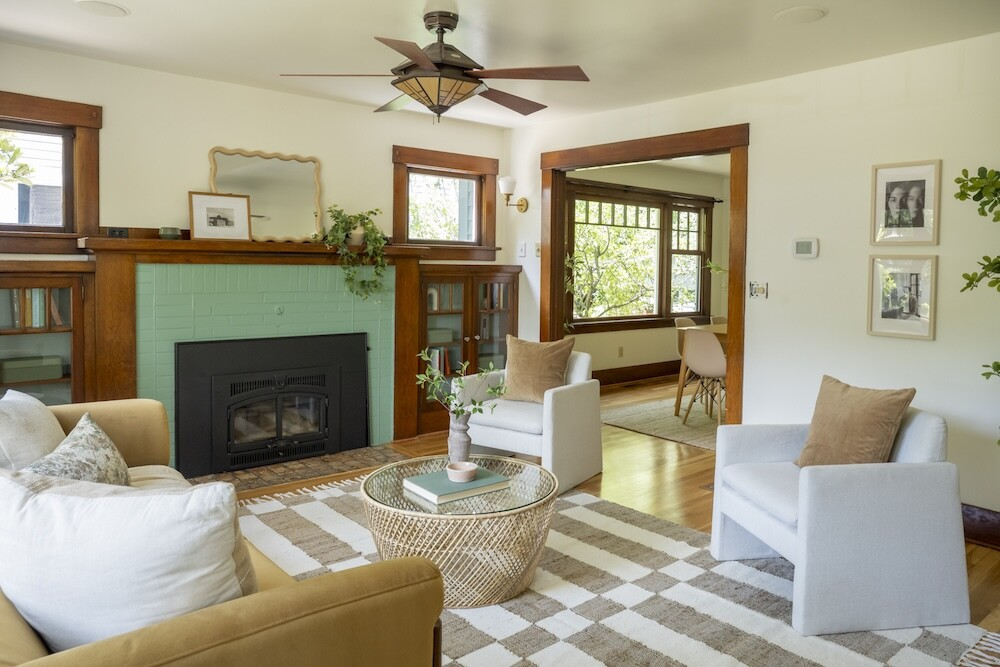
I completely understand the obsession with Portland historic home styles. Box beam ceilings. Original wood trim. Leaded-glass built-ins. Big fireplaces that make you stop halfway through the room and stare. Front porches. Floors that have survived a century of dogs, children, parties, furniture dragging and whatever else this house has seen.
I LOVE this stuff.

Then you start actually living in the house.
The kitchen cabinets were built before anybody owned a refrigerator the size of a Subaru. There may be six closets in the entire house and four are approximately the size of a shoebox. You wanted three bathrooms? Cute. And the basement is probably going to basement, aka be damp as hell. Get a dehumidifier. Put the precious stuff in totes.
This is the gap I want old-house buyers to understand: beautiful character and modern convenience do not automatically arrive together.
When you find a gorgeous old Portland house where somebody has already handled the plumbing, electrical, roof, kitchen and other expensive stuff without ripping out everything that made the house special, you are probably going to pay a premium for it.
Fair enough. Somebody else already did the hard part.
If they haven’t, that doesn’t automatically make it a bad house. Sometimes a little ugly and a lot of good bones is exactly what I want you looking at. I have a whole philosophy about that.
You just need to know which version you’re buying.
Foursquares: I Will Love You Forever
A classic Portland Foursquare just works for me. Usually you have real living space downstairs and two or three bedrooms upstairs, rather than trying to turn some tiny sloped-roof situation into Bedroom Number Three.
Then there is THE PORCH.
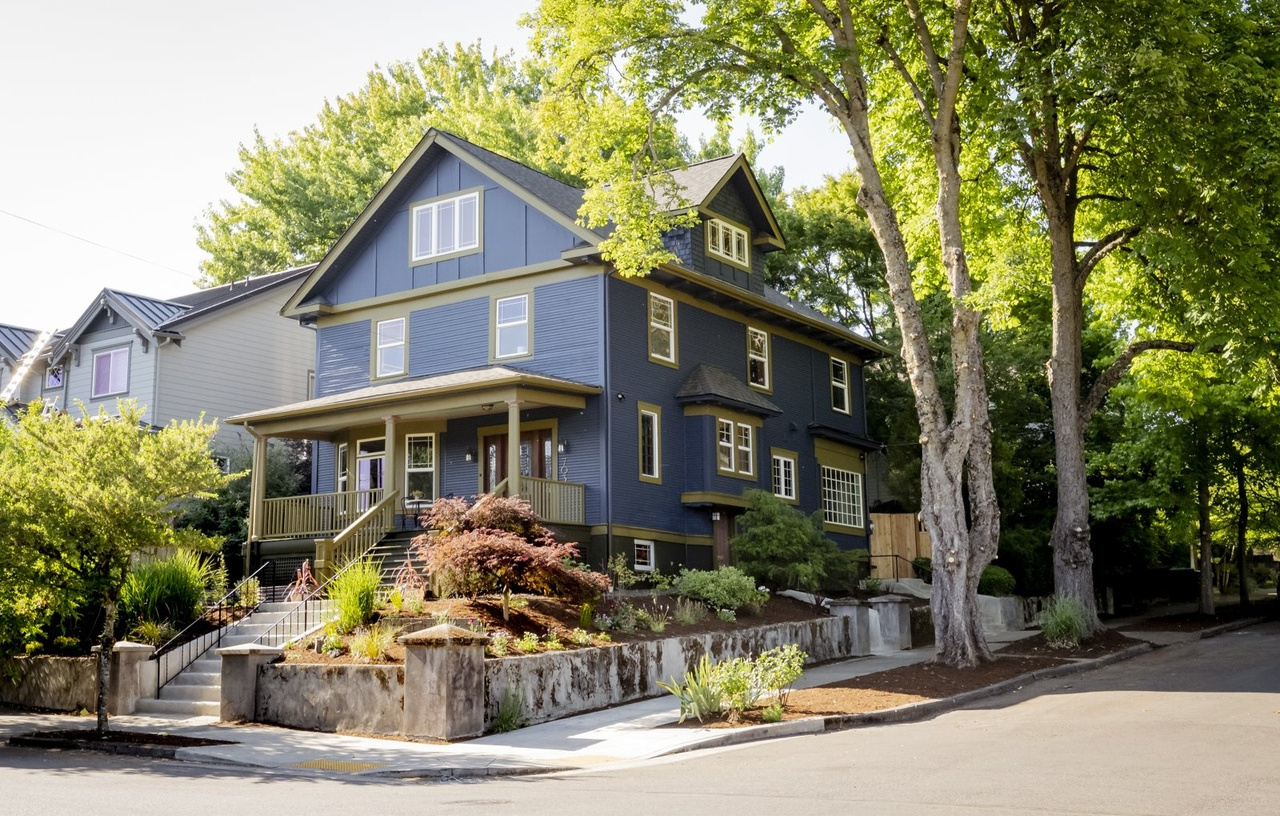
A lot of the Foursquares you find around close-in East and North/Northeast Portland come from an era when neighborhoods were being built around walking, streetcars and local business districts. You weren’t designing your whole life around pulling into a garage and disappearing into the backyard.
The front porch mattered. The neighborhood mattered.
You can still feel that in parts of Portland. You sit outside. Somebody walks by with their dog. Your neighbor knows you are out of town and grabs a package off the porch. You have walked to the same coffee shop enough times that your barista knows your name.
I think people are craving that again.
During COVID, everybody wanted SPACE. Bigger yard. More privacy. Get me away from everyone. Then plenty of people realized they had successfully gotten away from everyone and…kind of missed everyone.
That is a big part of why these close-in neighborhoods still hit so hard for me. And yes, a really good Foursquare in the right Portland pocket can still make me feral.
Bungalows Are Adorable. Now Tell Me About Your Weekends.
Portland bungalows are extremely good at making people lose all common sense.
Deep front porch. Beautiful wood. Built-ins. Cute little garden. Great neighborhood. You walk through the front door and immediately start mentally arranging your furniture.
Okay. How handy are you?
There are two very different experiences of buying a hundred-year-old bungalow.
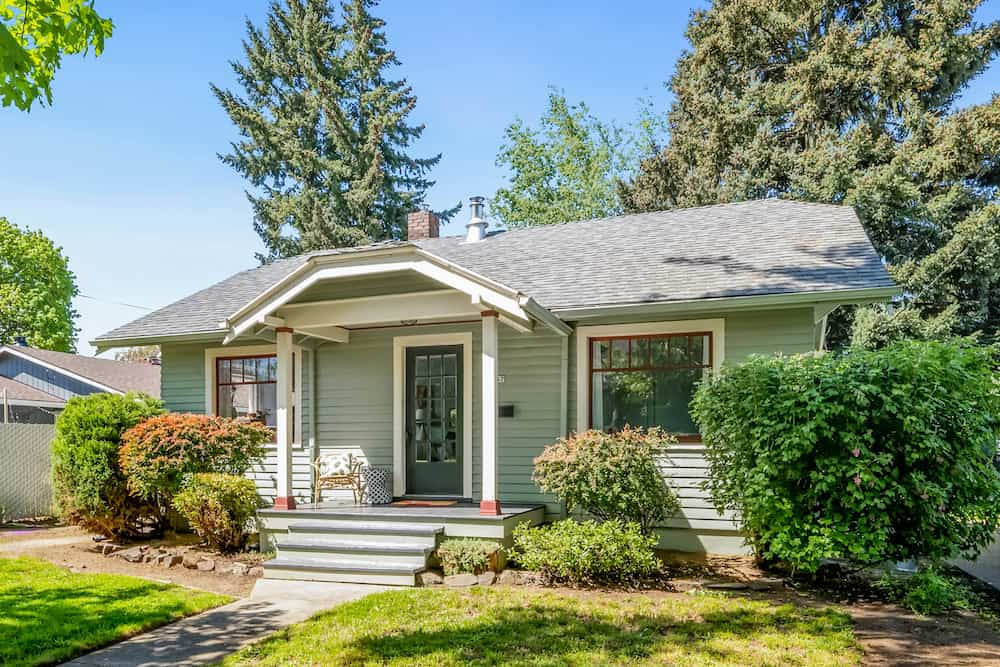
Sometimes you are buying from sellers who have been incredible stewards of that house. The major systems have been dealt with. The plumbing isn’t plotting against you. The house has been maintained thoughtfully for decades. You get to come in, paint some rooms, change wallpaper and have extremely serious conversations about light fixtures.
You are probably paying a premium for that privilege.
Or you buy the version where some of those projects are now yours. That can be GREAT for the right buyer. I have clients who enjoy learning about their house, have good contractor relationships and understand that maintenance isn’t evidence that they made a terrible financial decision.
This is where I start thinking much further ahead than “Do you like this kitchen?” I want to know whether the house works with the life you are building and whether you can realistically own it for long enough to make the money and effort worthwhile. I get much deeper into that philosophy in how I think about buying a home with the next ten years in mind.
The person who wants the gorgeous 1920s bungalow, completely updated systems, huge closets, multiple bathrooms, no projects and no surprises?
Girl. Bring money.
Tudors: Sexy Little Weirdos
I love Tudors. They’re dramatic. Beautiful rooflines, brick or stucco, leaded windows, interesting entries, weird little architectural moments everywhere. You’ll find plenty of them around places like Alameda and Beaumont, and they have a completely different personality from a Foursquare or bungalow.
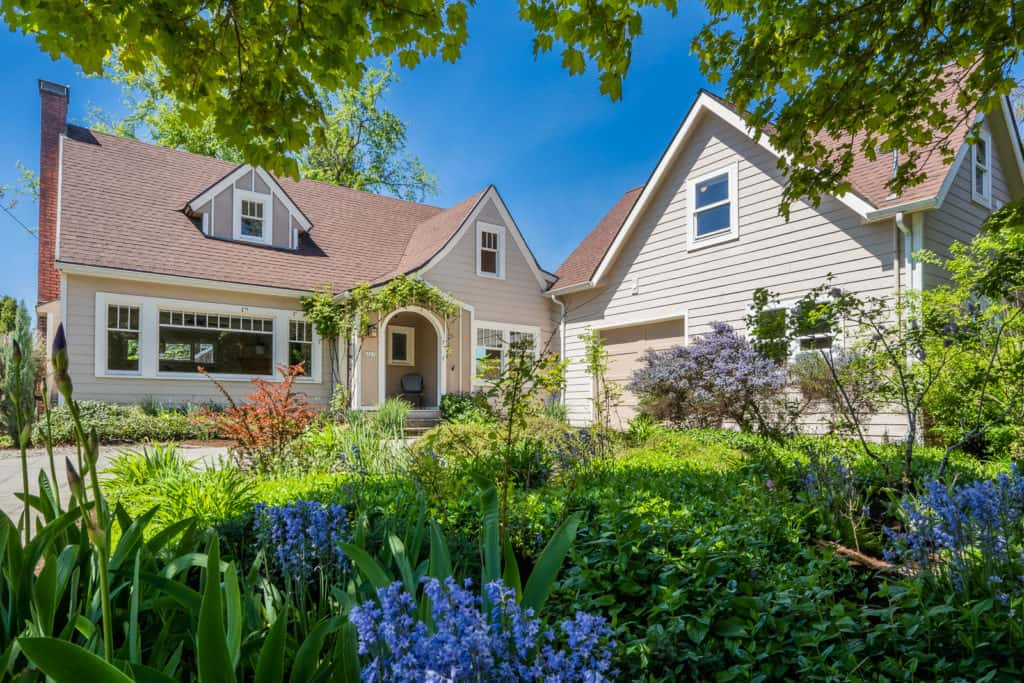
They can also be more chopped up inside. Those rooflines that look incredible from the street can create some funky upstairs spaces, especially if you’re tall. You may discover the perfect place for your dresser is roughly four feet high.
And then there is the roof itself. A complicated, steep roof is very sexy until somebody hands you a roofing estimate.
None of that means don’t buy the Tudor. It means buy the actual Tudor you’re standing in, not the romantic idea of a Tudor you developed from the listing photos.
Please Do Not Murder the Good Stuff
There are original details I will fight for.
Original millwork is a big one, especially wood that has survived a hundred years without somebody painting over it. That craftsmanship is hard to recreate. And they literally don’t make old growth timber like that anymore. Same with beautiful leaded-glass built-ins, box beam ceilings, old floors with plenty of life left in them and those incredible fireplaces that basically become the whole room.
PLEASE put the paintbrush down.
I am considerably less sentimental about original kitchen cabinets that make it impossible to use a modern appliance. We do, in fact, have to live here.
Same with bathrooms. Sometimes the old tile is amazing and worth restoring. Sometimes you are preserving something purely because it is old, which is not enough for me. If your vintage tile is salvageable? For the love of dog, save it. If it is beyond repair, it is doing a LOT of damage to the walls behind it.
I don’t think loving an old house means turning preservation into a religion. The job is to understand which details give the house its character and quality, then update it without Home Depot-flipping every interesting thing out of it.
There is a difference between caring for an old house and embalming it.
And if you are contemplating a much bigger renovation, PLEASE have the bigger conversation before you start swinging a sledgehammer. I have a whole rant about when renovating a Portland home actually makes financial sense because spending a fortune on an old house does not automatically mean you created the same amount of resale value.
Old Houses Require a Certain Amount of Emotional Stability
I once had buyers fall in love with a 120-something-year-old listing of mine. The inspection turned up some foundation work. Fine. We got several quotes, roughly $10,000 to $15,000.
The buyer decided she wanted an entirely new foundation because she was terrified of earthquakes.
At some point the conversation became: You should not buy a 125-year-old house if you need it to have a brand-new foundation.
My sellers and I didn’t feel good about moving forward either, we didn’t want a buyer that was scared of her house.. She terminated. The backup buyers understood what they were buying, were happy with the credit and were ecstatic about the house.
That is a fit.
I don’t want someone falling so hard for the leaded glass that everybody conveniently stops discussing what owning the rest of the house is going to feel like.
Portland has plenty of old houses that have been standing for a very long time and still need real work. “Old,” “beautiful,” and “well maintained” are three different things.
You want to know which one you’re buying.
Portland’s Houses Tell You How Portland Grew
This is one of the things I love most about Portland architecture. You can practically watch the city grow through the housing stock.
You see these incredible early Foursquares and bungalows close in, neighborhoods built around streetcars and porches and being part of daily neighborhood life. Move outward and the architecture starts changing. Then you hit another era, another housing boom, another way people were living.
Portland isn’t perfectly organized into little architecture rings, obviously. There is infill and weird shit everywhere. This is a city, not a diagram.
But once you know what you’re looking at, houses start telling you stories about when the neighborhood developed and what daily life was designed to look like.
There is ugly history mixed into that too. Portland’s development was shaped by white flight, segregation and racist restrictions around who was allowed to buy and live in certain neighborhoods. We do not need to pretend otherwise just because the houses are pretty.
That history is part of the neighborhood too, and it is part of the reason housing justice remains such a big piece of how I think about real estate in this city.
The People Who Really Love Old Houses Are Stewards
This is the word I keep coming back to. Steward.
The people I see happiest in Portland’s old houses understand that they are taking care of something. They learn the house. They maintain it. They find people who understand buildings from that era. They preserve the gorgeous shit and update the things that make the place safer and easier to actually live in.
They also know the house is going to occasionally ask for money.
Some people genuinely enjoy that relationship. Others would be so much happier in a mid-century house, a thoughtfully renovated older home or new construction where they don’t have to wonder what is hiding behind 100-year-old plaster.
You do not have to prove your Portlandness by owning a century-old bungalow.

But if you see original woodwork, an ancient fireplace and a slightly questionable basement and immediately think, I will protect you with my LIFE?
Okay, beautiful weirdo. We should talk.
If you are looking at character homes in Portland, reach out to Team Goché before you get emotionally married to the first adorable house you find online. Tell us what you love, what you can spend, how you actually live and, very importantly, your tolerance for spending a Saturday talking about plumbing.
There are spectacular old houses all over Portland.
I want you to love owning yours as much as you loved walking into it.