

Most sellers think the listing process begins when the photographer shows up, the sign goes in the yard, or the house appears on Zillow. Cute, but not exactly.
By that point, most of our actual strategy has already happened.
The listings that look effortless online are almost never effortless behind the scenes. They come from months of planning, a deeply unsexy amount of calendar math, and us repeatedly saying, “Nope, please do not spend money on that.”
We already wrote a full guide to preparing your Portland home for sale that gets into the vendor wrangling, timeline-building, who-does-what-and-when side of the process. This is the nosier look behind the curtain: how we decide what stays, what goes, where your money should actually go, and how we make a buyer’s half-dead Zillow brain stop scrolling long enough to give a shit.
Because the goal is not merely to put your house on the market. The goal is to give it an internet debut. And yes, we take that extremely seriously.

1. We Stop Looking At Your House Like It’s Your House
During that first walkthrough, we are not thinking about how you live in the house. We are looking at it through the eyes of the future buyer.
How will this room photograph? Where does the light fall? Which paint colors look fine in person but turn into hot garbage online? What will make someone pause on the fourth photo instead of swiping directly to the next listing?
It is always lighting. I swear to God. Lighting is subtle enough that buyers rarely know they are reacting to it. Nobody walks into a house and says, “Damn, excellent fixture selection.”
They say things like: “This feels cozy.” “This is so cute.” “I don’t know, I just really like it.”
Yeah. That is the lighting.
Bad lighting quietly makes a house feel sad, dated, or vaguely like a waiting room. Good lighting makes it feel warmer, more thoughtful, and more expensive, even when the buyer cannot tell you why.
Paint does the same thing. Some colors are lovely in person and absolute garbage in photos. Yellow is a repeat offender. It can feel sunny in real life and look vaguely nicotine-marinated on Zillow.
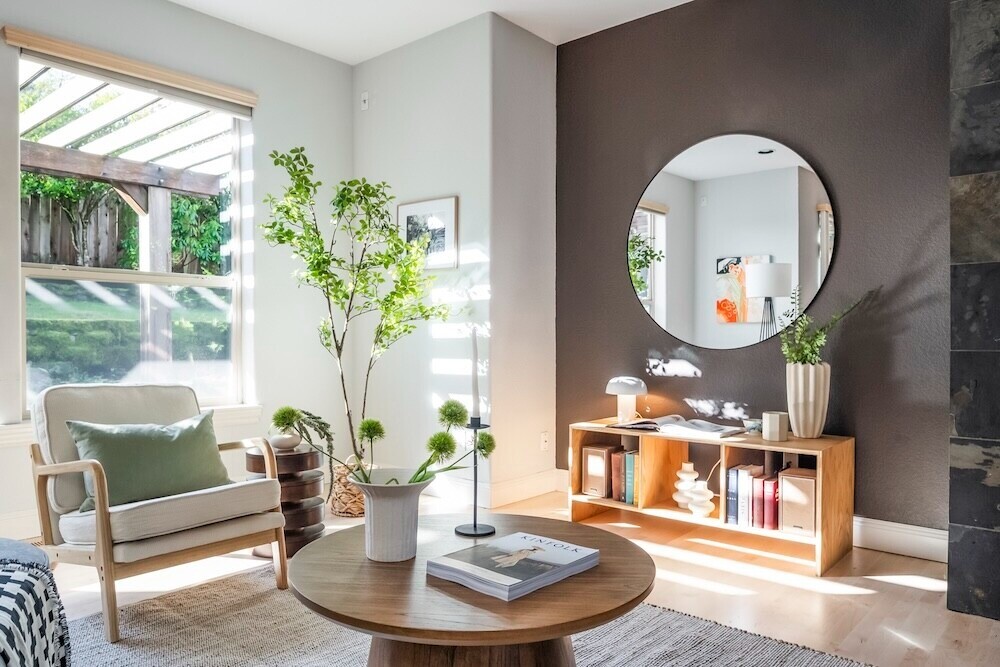
This is also the moment we need you to accept one slightly brutal truth: The house is no longer yours. We say that with love, mostly.
We are no longer making decisions about your favorite shade of blue during a very specific 2012 Pinterest phase, or the light fixture you have learned to tolerate after staring at it for 12 years. We are making decisions for the buyer we want to attract. Our job is to make that buyer fall in love online and then fall in love again when they walk through the door.
2. We Keep You From Spending Money On The Wrong Shit
One of the biggest mistakes sellers make is waiting until they feel “ready” before calling us. By then, they have often started fixing things. Unfortunately, they are usually fixing the things that have personally annoyed them for the last decade, which is not necessarily the same as fixing the things that will help the house sell.
We will walk into a home and hear:
- “We replaced all the doorknobs.”
- “We were thinking about installing new windows.”
- “We finally fixed that cabinet hinge that has bothered us since 2014.”
Meanwhile, there is an entire wall missing somewhere else. People get tunnel vision about their own houses. That is normal, in fact the same thing happens to realtors when they sell their houses. No one is immune. You have been staring at the same weird little problem for years, so it feels enormous to you, but a buyer may never even see it.
This is why calling early can save you a shitload of money. Hand us a prep budget before you start rage-fixing random things, and we can usually put it somewhere that will actually help the house sell. We have a whole breakdown of what buyers are actually paying attention to, and spoiler: it is usually not the giant renovation you were about to panic-start.
Our general philosophy is to let buyers pick their pain.
An active leak? Fix it.
A furnace or air conditioner that needs servicing? Easy.
A roof actively missing shingles? Yes, obviously, we deal with that.
Brand-new windows because somebody’s cousin said buyers demand them? Probably not. You are very unlikely to see that money again.
Paint, however, often earns its keep. Life beats the hell out of walls. Dogs, kids, furniture, moving boxes, and just existing in a building for years all leave a mark.
We have also learned the hard way that painting one room can make every untouched room look ten times dingier. Sometimes the answer is the whole interior. Sometimes it is the exterior too. That can feel expensive, but if you have not painted in 20 years, the house is due. Divide the cost across those 20 years and call it delayed maintenance.
3. We Build the Right Team For Your Specific House
There is no single generic vendor checklist we throw at every seller. Different houses need different people, which is exactly why we are so protective of our client-only network of Portland vendors.
We are matching the person to the house, the timeline, the budget, and the specific flavor of chaos involved. A century-old Portland bungalow does not need the same staging as a midcentury ranch. A moody little inner-Portland house should not be treated like a bright suburban new build. The age, architecture, location, price point, and likely buyer all shape the prep plan.
We work with three stagers regularly, and we are extremely picky about which one gets which house. They all have different styles, but they share one important quality: they know how to create visual interest.
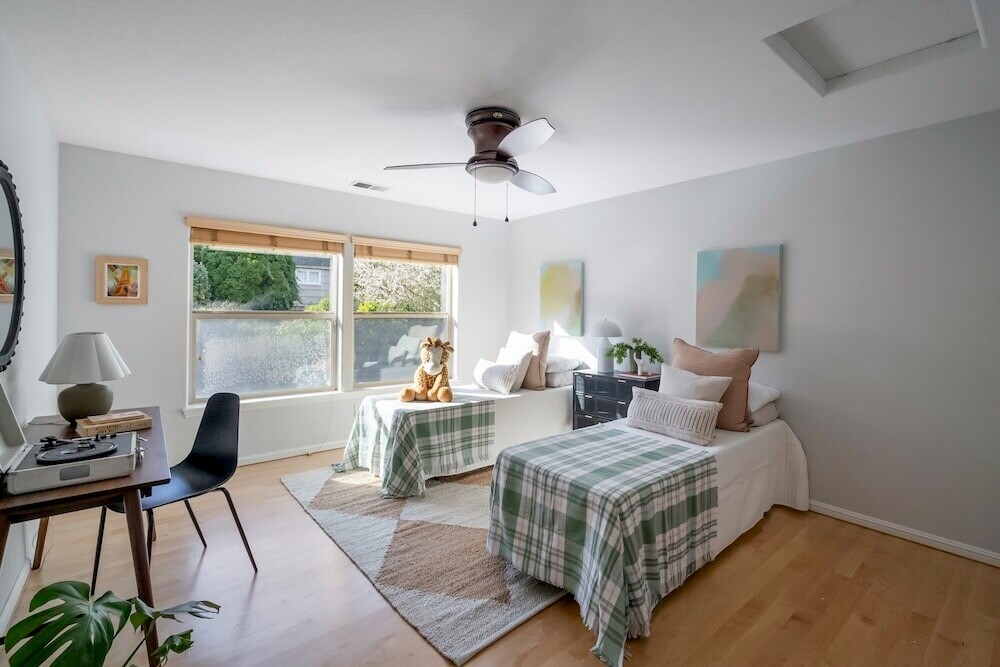
Good staging is not a gray sofa, two sad pillows, and a fake plant sitting in witness protection. I want art. Rugs. Texture. Tchotchkes. Personality. You can always tell when a stager does not know how to curate those details. Technically, the room has furniture. Emotionally, it has nothing to say.
The right staging creates a version of the life buyers imagine having in that house. It helps them understand the scale of a room, how the layout works, and where they might sit with coffee while feeling smug about the house they just bought.
And because roughly 90% of our listings are vacant and staged, we are usually doing the heavy prep after the seller has moved out. That is intentional. I do not want painters climbing around your furniture while you are trying to work from home. I do not want handypeople arriving during your kid’s nap. I do not want you living inside a listing-prep obstacle course for three weeks.
Your job is mostly to pack up your life and go. Then I can take over.
Painter. Handyperson. Landscaper. Cleaner. Window washer. Stager. Photographer.
We line everybody up, approve the bids with you, keep the schedule moving, and make sure nobody is stepping on anyone else’s toes. The list may look mildly terrifying at first, but almost none of it is yours to manage.
4. We Design The House For Its Internet Debut
Buyers shop online first. That means the listing photographs are not a cute bonus. They are the first showing. Every house deserves an actual market debut, not six rushed photos, a vague description, and a prayer.
White room. Gray room. White kitchen. Gray couch. Next.
One of our favorite ways to interrupt that scroll is color. Not necessarily an entire emerald-green living room, although do not threaten me with a good time. Sometimes it is one painted wall, one room, one piece of art, or a strategic moment in the staging.
The buyer does not even have to love the color. It simply needs to make their brain stutter for half a second. That pause matters. It gives the house a chance to register as different before they continue their beige death march through the listings.
This is also why we choose the paint colors. Sellers are sometimes deeply alarmed by our choices. We will show them a color and they will look at us like we have both sustained head injuries. Then the staging goes in, the photographer shoots it, and suddenly the whole thing makes sense.
Trust the process.
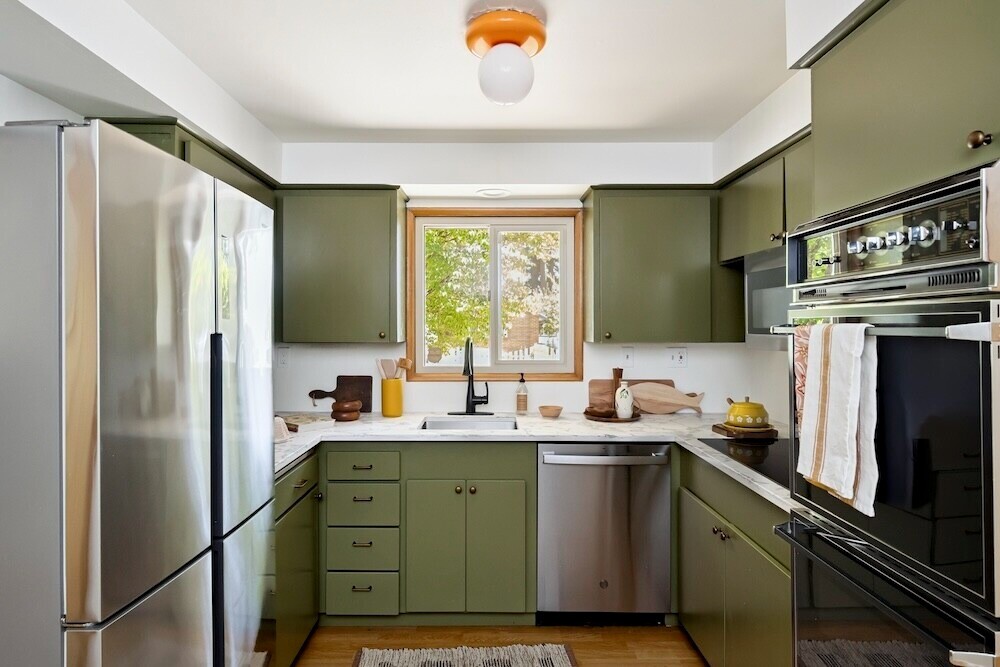
Photography gets the same level of attention. We are extremely picky about editing because overprocessed real estate photos look fake and weird. The goal is to make the house look its absolute best without turning it into a computer-generated hallucination.
We want natural light, thoughtful angles, and editing that supports the actual mood of the house. Also, the lights are usually off. Real estate photos with every overhead light blazing make us bananas. There are exceptions, but natural light almost always photographs better.
The finished listing should feel aspirational but still believable. We are creating a fantasy, yes. Just not one the house cannot deliver.
5. We Build The Timeline Before We Need It
When a seller reaches out months in advance, we can get our preferred vendors rather than our backup options. We can order the right lighting instead of settling for whatever is in stock. We can make decisions calmly instead of standing in a hardware store at 8:47 p.m. while someone whispers, “I guess this one is fine.”
One recent listing on Tibbetts is a perfect example.
The seller contacted me months before her tenants were scheduled to move out. That meant I could walk through the house while they were still there, build the plan early, reserve the contractors I wanted, and think through the prep without cramming everything into a two-week panic spiral.
The seller did not live locally and had plenty happening in her own life, so she trusted me to take over the prep, manage the budget, and keep her informed as decisions came up.
The prep was not free. It was also not random. We used the money intentionally, prepared the house properly, and launched it the way we wanted.
We received nine offers.
That kind of result does not mean every house will get nine offers. Real estate refuses to give us guarantees because it enjoys chaos. But it does show what becomes possible when we are not rushing, compromising, or trying to assemble the whole launch with the vendor equivalent of whatever was left on the shelf.

The Five Things We Actually Want You To Do
Sellers always want a list of what they should accomplish before calling us. Here it is:
- Calm down.
- Do not clean the house for us.
- Do not buy matching doorknobs.
- Do not wander around touching up random shit.
- CALL US
Seriously.
You do not need to apologize for the laundry, the weird room, the dog hair, the half-packed garage, or the project you meant to finish six years ago. We need to see it exactly as you live in it before we start deciding what stays, what goes, and what is not worth spending a damn cent on.
Let us look with fresh eyes before you spend money, start painting, or convince yourself that the bathroom needs to be gutted because the grout has personally offended you.
The best listings have breathing room. Six months gives us time to walk the house, make a smart plan, book our favorite people, and handle the prep without everyone completely losing their shit. We have said it before and will keep saying it: the best time to contact us about selling is when the idea first crosses your mind