

“Legacy” can sound like something reserved for old money, generational landowners, or people who say “estate” unironically.
In real life, it usually looks like this: you are trying to make a decision today that you will not regret in five years, seven years, or ten. You want a home that works for your actual life, and you want your choices to preserve options instead of boxing you in. That is the whole game. And if you want my honest opinion, the difference between homeowners who build wealth and homeowners who feel stuck is rarely “they had more money.” It is almost always time, planning, and making decisions with the long game in mind.
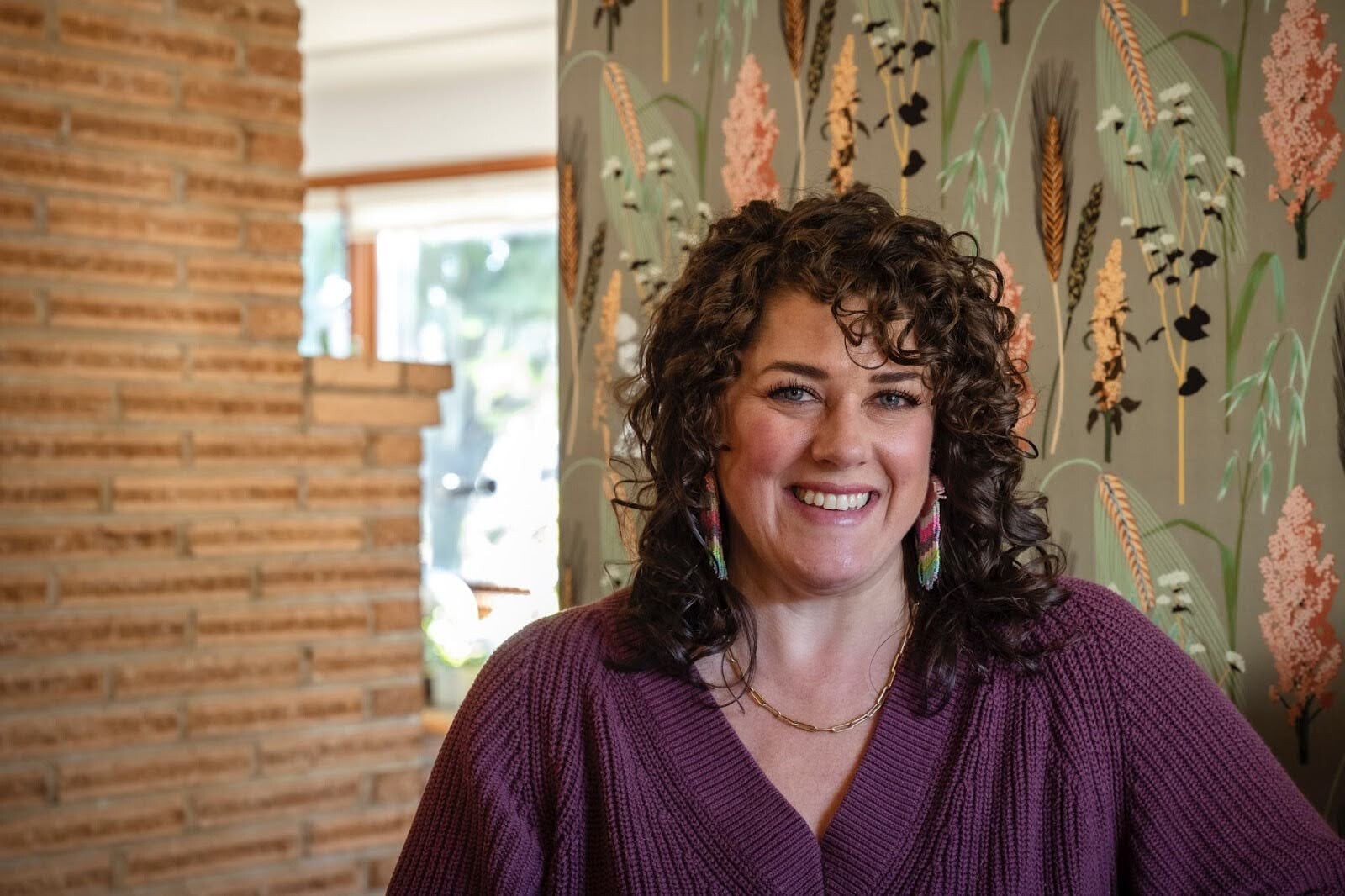
The Long Game Questions Smart Homeowners Ask
When someone is thinking ten years ahead, the questions sound different.
They are not just asking, “Is this a cute house?” They are asking: Will this be a good rental someday? Is this an appropriate rental? Does this house work for me now, and will it work for me in seven to ten years? If I sell, can I afford to buy what I actually want in this neighborhood, or am I about to downgrade my life? Those questions are where real estate becomes wealth planning, even if you never call it that.
It is also where my job starts to feel less like “house tours” and more like “let’s map your life honestly so you do not accidentally make a short-term move that costs you long-term freedom.”
Three Timelines Every House Has To Work For
I say this on repeat, every day: A house needs to work for you in three time frames:
- Right now
- Seven to ten years from now
- The day you sell it, or the day you turn it into a rental
If any of those points fall apart, the house stops being a smart long-term decision.
This is why I ask questions that feel very personal very quickly. Do you want kids? When? Are your parents going to need help someday? Is a roommate a possibility? Do you want this home to become income later? If you are thinking “Lauren I just met you,” I know. I am aware. But these are the questions that separate a home you grow into from a home you outgrow fast.
People without kids often cannot picture life with a baby. That is normal. I do not have kids either, but I have raised a bunch of them, and I have watched this story play out a hundred times.
If your bedroom is upstairs, tiny, and the baby is down a steep set of stairs, you are going to break an ankle running to them at 2 a.m. You think you will “make it work” because you cannot imagine the day-to-day yet. And then sure enough, you call me two years later. I am not judging. I just want to save you the headache if we can.
Same with aging parents. I hear “we can put my mom in the basement” and my first question is “have you talked to your mom?” Because does she want to work her whole life just to end up in a windowless basement? Probably not. And even if she’s totally fine with stairs or a quirky setup right now, it’s worth thinking a few years out. Bodies change. Energy changes. Sometimes it’s not dramatic, it’s just that after an illness, a surgery, or a couple more birthdays, “fine” starts to feel a lot less fine. If a parent might live with you later, we want daylight basement, we want single-level options, we want a plan that still feels like dignity.
This is what I mean by long-game thinking. It is not just money. It is real life.
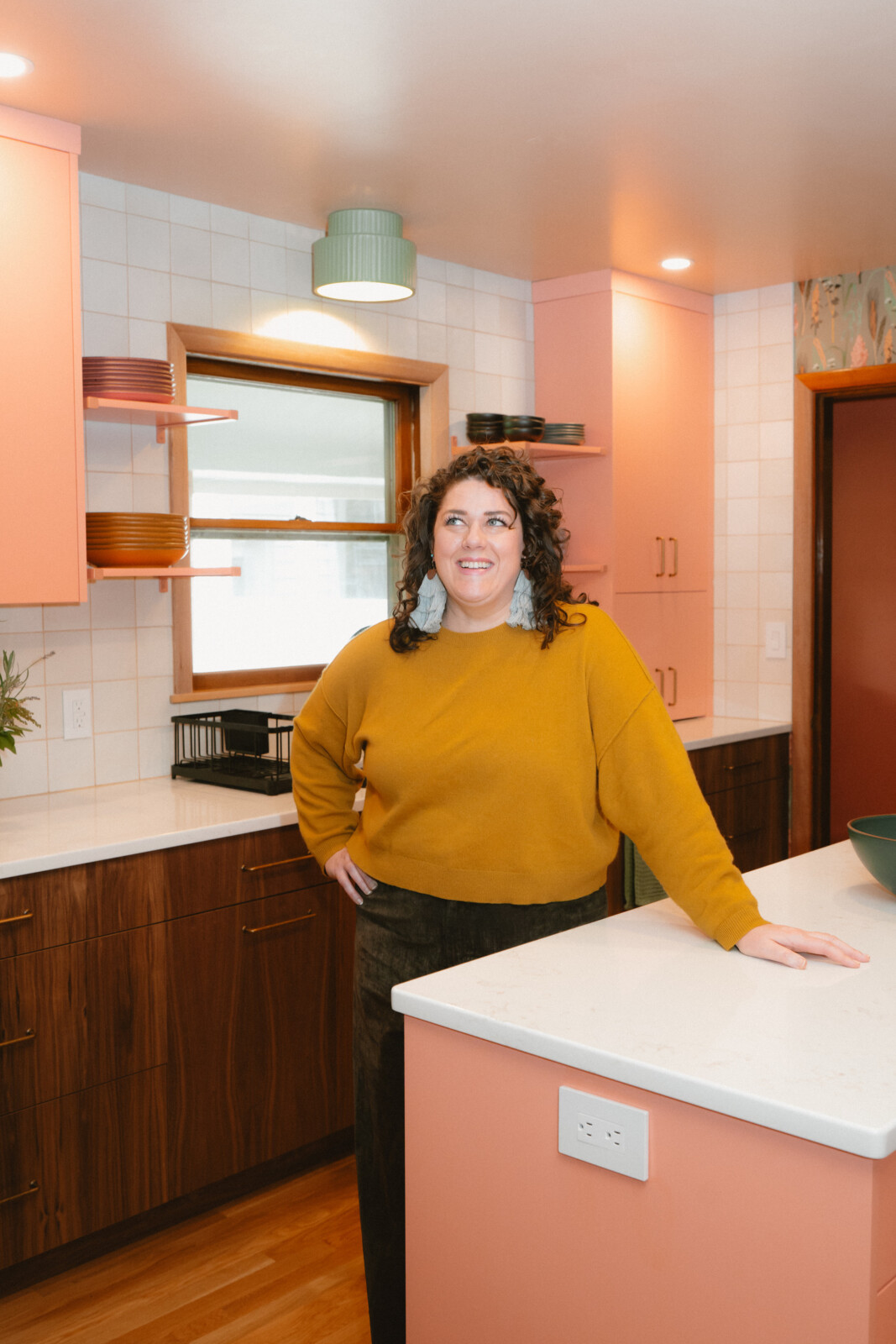
Selling, Renting, Or Forever Home: Three Different Answers
One of the biggest things I teach clients is this: If you ask me what to do to your house, my answer depends entirely on what that house is to you.
Are you selling soon?
Is this your forever home?
Is this going to become a rental?
Those are three different playbooks.
If it is your forever home and you are going to own it for 25 years, you are going to build so much equity over time that I do not care if your finishes are weird, or bold, or niche. Please do not put a bathtub in the kitchen. Actually that sounds kind of great, but do not do that. Otherwise, live your life. You are going to get your money back over time.
If it is a rental someday, we think durability first. Not precious finishes. Not high-maintenance materials. You do not put butcher block in a rental. It gets destroyed. You put in materials that can take a hit and be repaired easily. LVT is a great example because it is durable, more water-friendly, and easier to replace.
If it is your first house and you know you are going to live there a little bit, fix some things, and move on, do not put in a $200,000 addition. That is bad money math. That is you investing forever-home dollars into a starter home timeline. If you love this philosophy, you will like my post on “buy ugly, sell cute” because the point is not just buying something imperfect. The point is buying something that will make sense later.
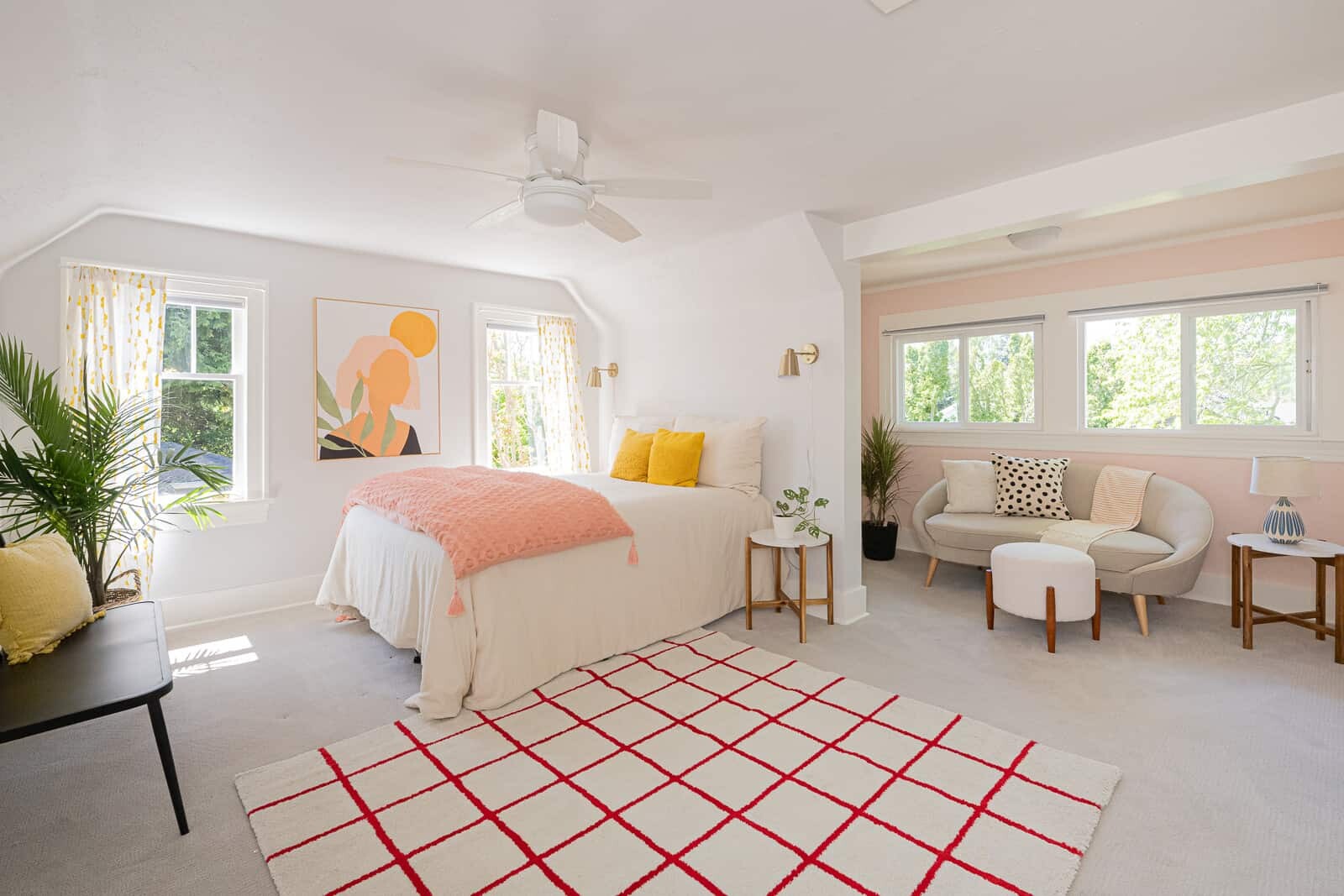
How I Help Clients Decide When To Hold, Refinance, Or Sell
This part is a lot of math, but it is also a lot of values.
If your monthly payment is $1,200 and you want to move, I might tell you to pause. Because you are never getting that payment back again. If you could rent it for $1,000 a month, selling might not make sense. People do not realize how rare a low payment is until it is gone.
I talk a lot of people out of selling. Not because I do not want to list your home, but because I want your decision to align with your long-term goals.
Sometimes refinancing makes sense. If someone bought when rates were sky-high and rates drop by a full point, yes, it might be worth it, especially if you plan to be in the home for a while. Refinancing costs money, so you do not do it casually and then sell six months later.
The bigger lesson is this: do not keep your lender and your realtor in the dark. Tell us the whole story. We are not just looking at your numbers. We are looking at your lifestyle, your risk tolerance, your stress level, and what you want your future to feel like.
I want us to be co-conspirators here. Let’s figure it out.
What Smart Renovations Look Like When You Think 10 Years Ahead
A smart renovation is not always the fanciest renovation. It is the one that preserves your options.
If you want the deeper breakdown on reno ROI, I wrote it here. From Fixer to Forever: When Renovating Your Portland Home Actually Pays Off. But here is the ten-year version:
- If it is a rental later, choose durable finishes you can repair without crying.
- If it is a forever home, prioritize improvements that make your daily life better.
- If you might sell in seven years, avoid spending huge money on highly personal upgrades that most buyers will not value.
I see people spend $80,000 on something only they want, then act shocked when buyers do not “pay them back” for it. They are not trying to be mean. They just do not value it the way you do.Also, a quick PSA. Be careful with “value claims” floating around the internet. “Solar adds 10%.” “Trees add $30,000.” A lot of those numbers trace back to sales companies trying to sell you something. That does not mean solar is bad, it means you should separate “I want this for my values and my lifestyle” from “I will get every dollar back immediately.” Real estate does not work like that.
The Single Biggest “Freedom Later” Upgrade I Wish Everyone Would Build
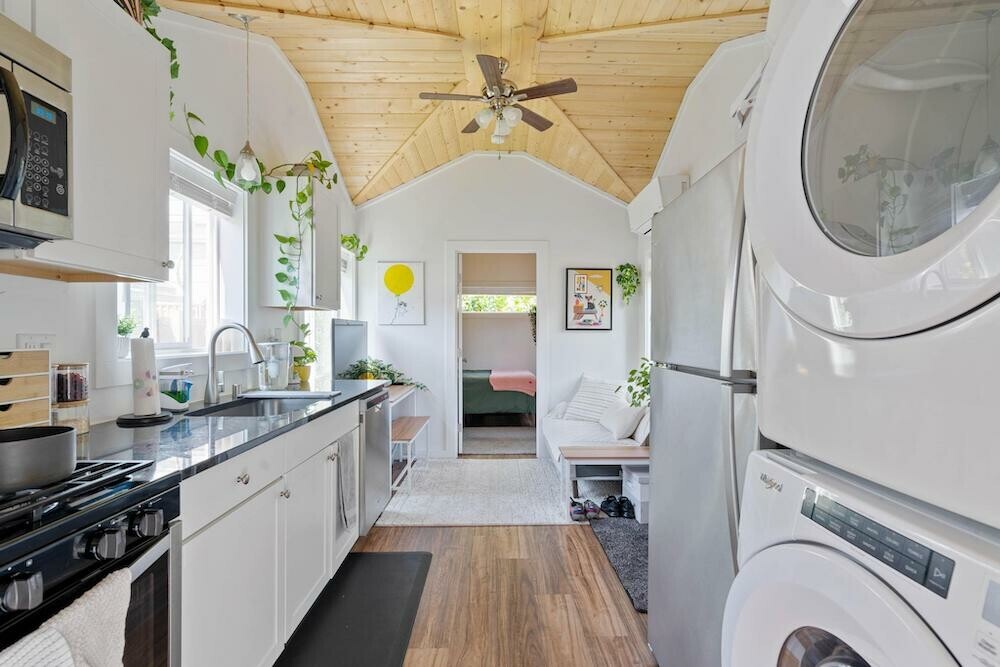
If I could wave a wand and change one thing about Portland housing inventory, it would be this: A one-level ADA-friendly detached ADU in the backyard.
Not a cute loft above the garage that your aging parent cannot climb into. Not a tiny basement bedroom with no light. A single-level backyard ADU that can be used for parents, adult kids, a caretaker, or rental income.
Every Realtor I know needs more of these. Intergenerational households are only becoming more common, and the demand for this is not going away, only getting stronger.
The Mindset Shift That Changes Everything
The biggest shift is long-term thinking, like any investment. You do not put money in a 401k expecting to use it tomorrow. You are building for later. Real estate is similar, except it is also your home, your safety, your community. It is more emotional than a retirement account.
But the principle holds.
A lot of first-time buyers come in with a renter mindset. They are focused on what is happening now. That is normal. But if you want freedom later, you have to start asking “how does this choice affect me long-term?”
For me, that looked like buying a house that could live like a duplex even if it was not officially one. I wanted flexibility. I wanted the possibility of an ADU. I wanted multiple streams of income long-term. I am a single woman and I do not have a built-in safety net of a partner or family. Having the option of supplemental income makes me feel safe. I do not need it now, but I like knowing it is there.
I talk to a lot of single clients about this. Sometimes the smartest “luxury” is not marble. It is flexibility. It is an ensuite and a separate room that could become a roommate suite. It is a layout that can adapt.
This is how you build freedom, slowly, over time.
Closing Thought: Legacy Is Just Good Planning With Better Vibes
Legacy homeownership is not about being fancy. It is about making decisions that keep your options open and your future self grateful.
If you are thinking about your next move, even if it feels “too early,” reach out. I would rather talk through it now than help you unwind a decision you made in a rush.
If you want to build a long-term plan, we can. We will look at your numbers, your lifestyle, your goals, and your timing. Then we will make a strategy that actually fits your life. If you are ready to talk long game, start here: Contact me.